

Multiscreen app for a multiscreen world
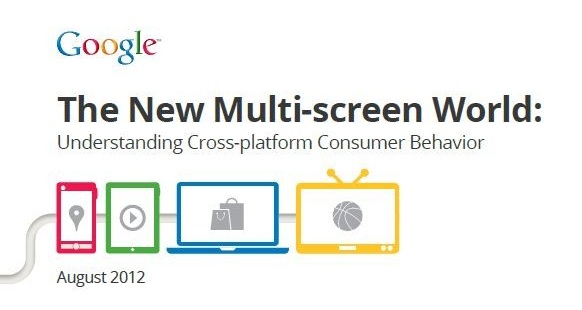
Da uno studio Google emergono cambiamenti riguardanti l’uso che gli utenti fanno dei devices che posseggono. Gli effetti diretti riguardano un nuovo uso della televisione e la cosiddetta “Cross-platform”. Spunti per un utilizzo gamificato delle nuove tecnologie attraverso la
L’azienda di Montain view per eccellenza, Google Inc., ha da poco pubblicato uno studio riguardante il multi-screening, l’uso di più schermi nella nostra quotidianità. Scopo della ricerca è tracciare un profilo di questa tecnica non ancora visitata in tutti i suoi aspetti, oltrechè provare a tracciare delle linee guida ed individuare delle possibili soluzioni per l’utente finale.
La ricerca ha tenuto conto del fatto che mediamente vengono spese 4 ore e 40 minuti su degli schermi, per le sole attività non connesse con il lavoro, e che il ruolo della TV è andato ridimensionandosi, a fronte dell’avvento degli smartphone e dei tablet.
I risultati fanno emergere un quadro interessante; ogni device (la ricerca esamina e confronta PC, Tablet e Smartphone) ha una destinazione d’uso che è relativamente più utilizzata (Il PC viene utilizzato principalmente per lavoro e per tenersi informati, il Tablet per il divertimento e lo Smartphone per tenersi connessi), ma è molto frequente l’uso di multiscreening. Il Cross-Platform che viene a generarsi può essere sequenziale, con lo spostamento da un device all’altro per completare un incarico, oppure simultaneo con un utilizzo di più device, potendo svolgere la stessa operazione (uso complementare) o diverse (multitasking).
Come precedentemente anticipato, la ricerca ha voluto concentrarsi anche sul ruolo della TV, certamente ancora il media più seguito ma non più con la schiacciante dominanza che l’ha caratterizzato finora. Dallo studio emerge che la TV viene ora utilizzata come punto di partenza per le ricerche che effettuiamo sugli altri device; una volta che vediamo qualcosa in televisione ci incuriosiamo ed effettuiamo ricerche sugli altri mezzi a nostra disposizione (prevalentemente PC o Smartphone).
Un fatto però non considerato dalla ricerca è l’avvento delle cosiddette “Smart-TV”, oggetti in grado di connettersi ad internet, potendo gestire applicazioni e interagendo con il mondo circostante. Pensiamo che sia questa la direzione che la Televisione dovrebbe prendere per permettere un cross-platform che integri anche la TV al suo interno (senza utilizzarla solo come punto di partenza per le ricerche).
Il cross platform si presenta anche come un’ottima occasione per creare applicazioni Gamificate, sfruttando i device per ampliare l’esperienza a più utenti possibili, oltreché permettere una continua relazione tra l’esperienza e l’utente (basti pensare alla possibilità di passare dal proprio smartphone al PC, al Tablet senza perdere i propri progressi e interrompere l’applicazione. Questo consentirebbe di fidelizzare maggiormente l’utente (a patto di avere un design soddisfacente) oppure permetterebbe una maggiore fruibilità dell’esperienza, siccome l’utente potrebbe portarla con sé nei suoi movimenti (o farla conoscere ai suoi conoscenti, trasferirla e simili).
In conclusione, la ricerca effettuata da Google fotografa una realtà che sembra essersi ben radicata nella nostra contemporaneità, che presenta anche degli ottimi spunti per poter applicare tecniche gamificate condivise su più device.
Se desiderate visionare la ricerca nel suo insieme, ecco la fonte: http://services.google.com/fh/files/misc/multiscreenworld_final.pdf